
STAR NEXT-GEN ECO INNOVATORS
Client
The Coca-Cola Company (Malaysia)
The Background
Plastic waste is one of Malaysia's most complex environmental challenges — driven by high consumption, limited recycling efficiency, and systemic leakage into natural ecosystems. The plastic manufacturing sector contributes significantly to national growth (annual sales exceeding RM61 billion, 4–5% of GDP), yet Malaysia is also among ASEAN's highest per-capita consumers of plastic packaging, generating over a million tonnes of plastic waste a year — only around 24% of which is recycled. Plastic, in other words, is not just an environmental issue but a systems problem spanning consumption behaviour, waste infrastructure, and circular-economy readiness.
For The Coca-Cola Company in Malaysia, this carried added reputational complexity. As a major user of plastic packaging, the brand sits at the centre of public scrutiny on waste — while investing in global circular-economy commitments and sustainable-packaging goals. A clear trust gap remained, particularly among Gen Z: highly eco-conscious, yet deeply sceptical of corporate sustainability messaging. In response, Coca-Cola backed a youth-led innovation platform built to move beyond awareness into hands-on circular-economy experimentation — positioning students as co-creators of solutions rather than passive recipients of messaging.
The Big Idea
"Flip plastic from pollution to potential." Instead of framing plastic as a burden, the programme reframed it as a designable material system — something the next generation could reimagine, repurpose, and re-engineer. This shifted youth from observers of the climate crisis to active system designers, building real-world solutions through innovation, collaboration, and circular thinking.
The Execution
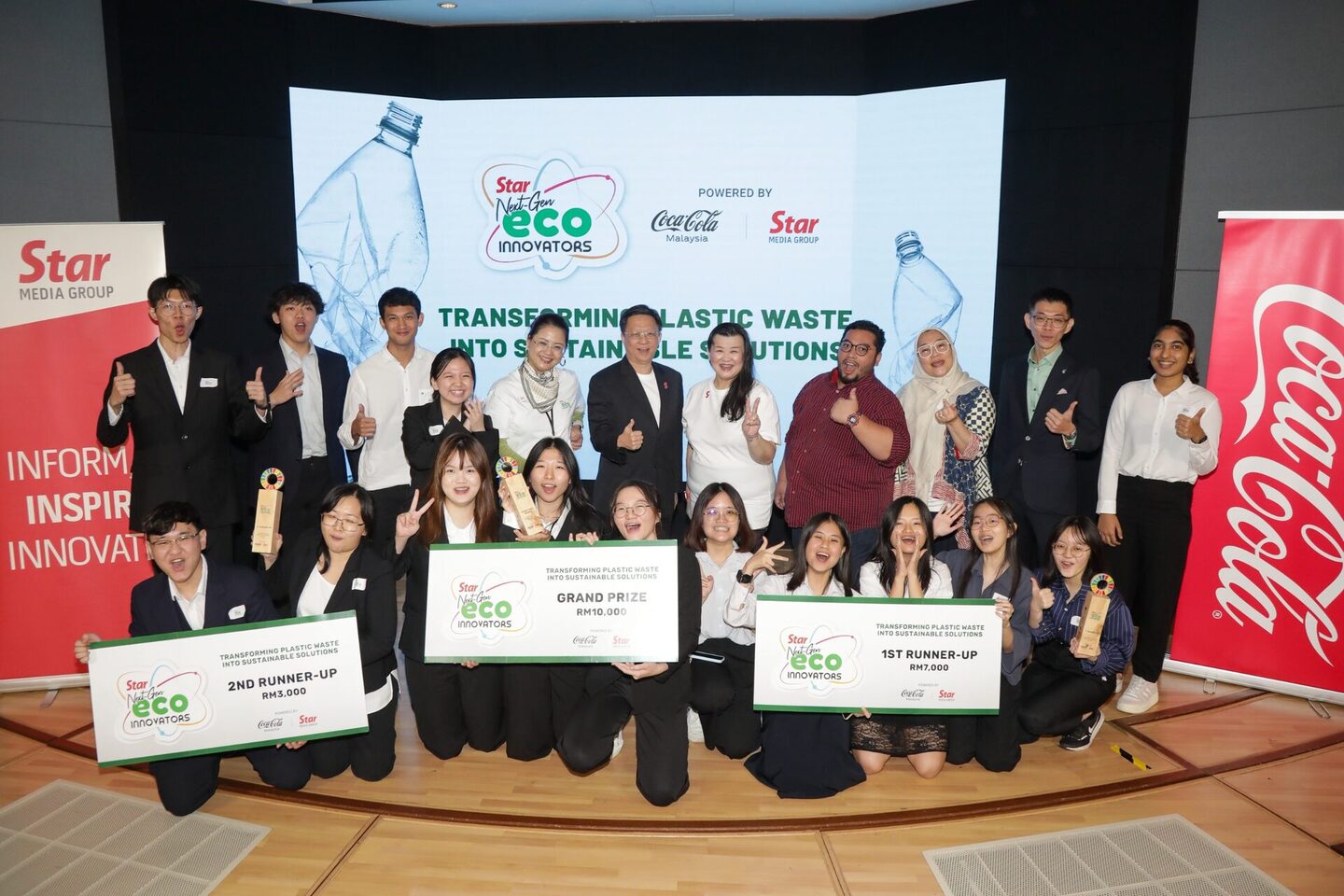
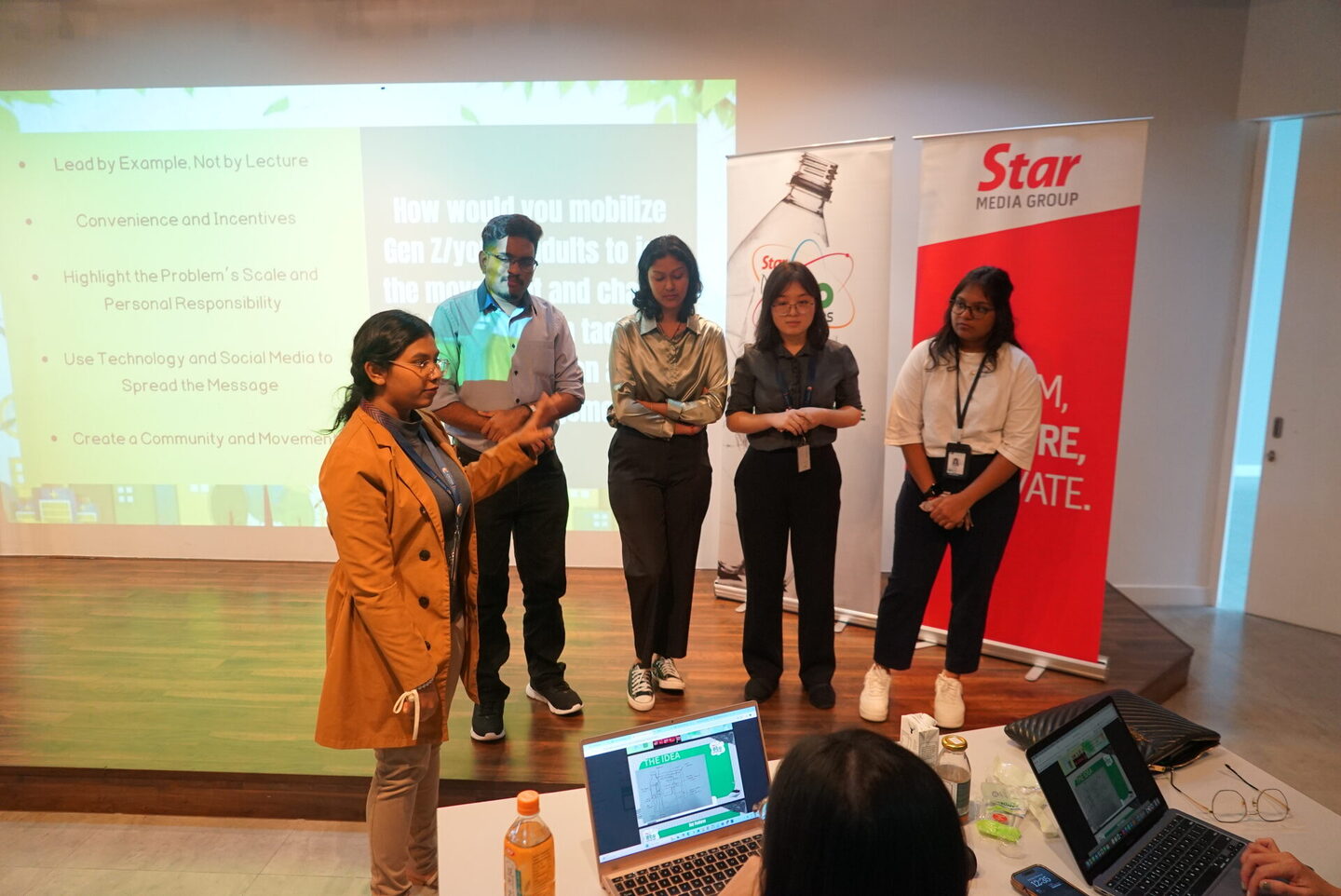
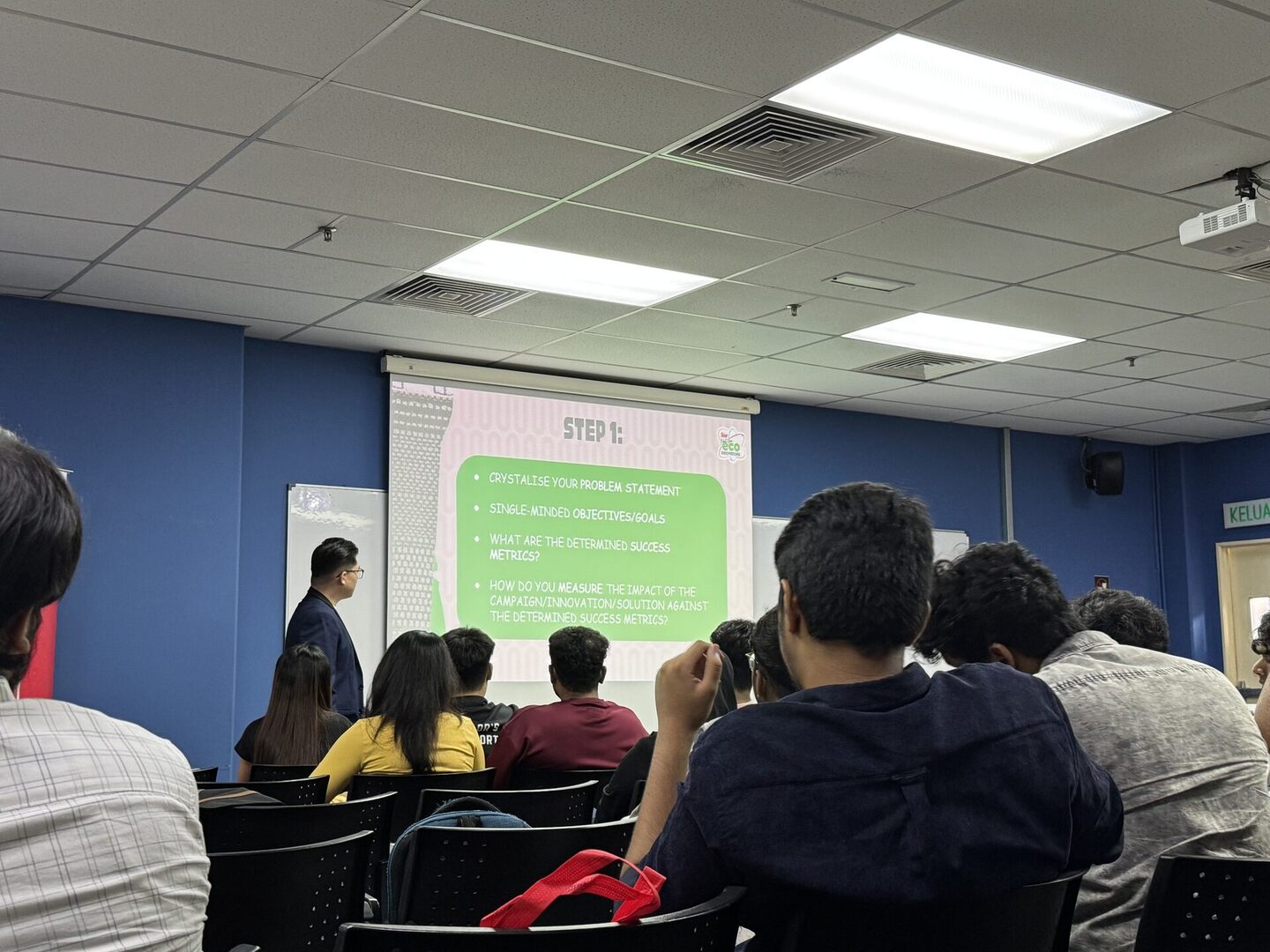
Next Gen Eco Innovators launched as a national, university-based innovation platform focused on plastic circularity and sustainable design thinking. Five universities took part in a structured programme of education, ideation, and rapid prototyping: students were grounded in circular-economy principles, then challenged to apply them in a high-intensity 24-hour innovation sprint tackling Malaysia's plastic-waste and circularity gaps. Standout teams were shortlisted to represent their university at a grand finale at Menara Star, where ideas were judged by industry and sustainability experts on feasibility, innovation, and impact potential.
.jpg)